Top OSHA Safety Violations Aerial Lift Rental Companies and Customers Need to Avoid
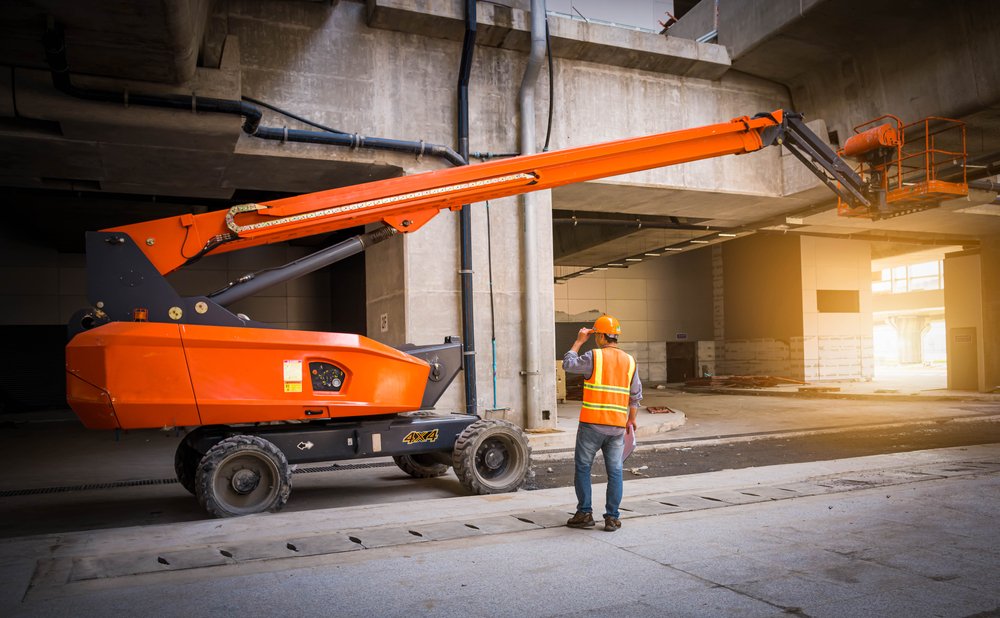
Aerial lift rental companies play a major role in workplace safety. When a boom lift or scissor lift is rented for a job, safety responsibilities do not begin only when the operator steps onto the platform. They start earlier — with equipment inspection, maintenance, proper machine selection, customer communication, delivery condition, and safe handoff procedures.
For customers renting aerial lifts, the risks are just as serious. Falls, tip-overs, electrocution, overloading, and unsafe setup can all lead to injuries, equipment damage, job delays, and OSHA citations. Many of the most common aerial lift violations are preventable when rental providers maintain equipment properly, communicate safe-use requirements clearly, and ensure renters understand the hazards of the machine they are using.
This guide explains the OSHA safety violations that matter most to aerial lift rental businesses and the contractors, facility teams, and operators who rely on rented equipment to get elevated work done safely.
Key Takeaways
- Aerial lift rental safety depends on both equipment condition and safe customer use.
- Poor maintenance, skipped inspections, and incomplete handoff procedures can create major compliance problems.
- Fall hazards, tip-over risks, and power line exposure remain some of the most serious aerial lift dangers.
- Rental companies should document inspections, service records, delivery conditions, and customer communication.
- Renters should inspect the lift before use, verify the right machine for the task, and ensure operators are properly trained.
- Clear safety expectations at pickup or delivery help reduce misuse, equipment damage, and OSHA exposure.
What OSHA Safety Violations Matter Most in Aerial Lift Rentals?
Aerial lift rental operations involve a combination of equipment safety, training responsibility, maintenance control, and customer jobsite risk. The most important OSHA-related problem areas often include:
- Fall Protection: Missing or inadequate fall systems for work at heights.
- Hazard Communication: Labels and safety data sheets not maintained or accessible.
- Respiratory Protection: No program, fit testing, or required respirators.
- Scaffolding: Improper setup or use that risks falls.
- Lockout/Tagout: Procedures absent or not followed during servicing.
- Powered Industrial Trucks: Operator training, inspections, or safe practices lacking.
- Electrical Wiring Methods: Unsafe installations and noncompliant wiring.
- Machine Guarding: Guards missing or ineffective, exposing moving parts.
- PPE: Required equipment not provided or used correctly.
For rental businesses, compliance is tied closely to the condition of the machine and the quality of the handoff process. For customers, compliance depends on whether the equipment is used correctly in real jobsite conditions.
See all of our available certifications to get covered on these common violations:
1. Inadequate Operator Training
One of the biggest problems in aerial lift rentals is the assumption that anyone on the customer’s crew can use the machine. OSHA expects operators to be trained to recognize hazards and use the equipment safely. Rental companies may not control the customer’s workforce, but they should make it clear that only trained and authorized individuals should operate the lift.
Training-related problems often include:- untrained workers using rented lifts
- no site-specific hazard review
- no understanding of lift controls or emergency functions
- lack of familiarity with the specific lift type
- no refresher training after incidents or unsafe operation
2. Poor Inspection Practices Before Delivery or Use
Rental equipment changes hands often, which makes inspection even more important. Aerial lift incidents may begin with problems that should have been identified before the machine left the yard or before it was used on site.
Important inspection concerns include:
- damaged controls
- leaking hydraulics
- worn tires
- missing guardrail components
- defective alarms
- damaged gates or latches
- missing manuals or decals
- structural damage
- nonfunctioning emergency lowering systems
Rental companies should inspect lifts before delivery and after return. Customers should also conduct a pre-use inspection before each shift. A machine being “fresh from rental” does not eliminate the need for daily checks.
3. Fall Protection Failures
Falls remain one of the most serious hazards in aerial lift work, including rental equipment use. Problems often occur when operators climb on guardrails, overreach from the platform, leave gates unsecured, or exit the basket unsafely.
Common fall-related violations include:
- standing on rails or objects inside the platform
- climbing out of the platform at height
- failing to secure entry gates
- overreaching instead of repositioning the lift
- not using required fall protection where applicable
Rental customers should understand from the start that aerial lifts are not ladders and should never be used in ways that defeat built-in fall protection systems.
4. Unsafe Setup and Tip-Over Hazards
Rental lifts are often used on temporary jobsites, which means the ground conditions may be unfamiliar, inconsistent, or poorly prepared. Soft soil, slopes, drop-offs, potholes, and curbs can all affect stability. Tip-over risk increases when operators rush setup or choose the wrong lift for the terrain.
Common setup issues include:
- placing the lift on unstable ground
- operating on slopes beyond the machine’s limits
- using indoor lifts on rough outdoor surfaces
- driving elevated equipment across uneven terrain
- setting up too close to excavations or edges
- failing to inspect the path of travel
Rental companies can help reduce misuse by matching the machine to the job conditions, not just the requested height.
5. Electrical Hazards and Power Line Exposure
Aerial lift customers often rent equipment for exterior building work, lighting work, maintenance, and construction tasks that bring operators close to overhead electrical hazards. Contact with energized power lines can be fatal.
Electrical risk issues often include:
- failing to identify overhead power lines before work begins
- misjudging clearance distance
- moving lifts near energized lines
- assuming utility lines are insulated or safe to approach
- not communicating electrical hazards during planning
Rental companies should remind customers that the right machine does not remove the need for a jobsite hazard assessment.
6. Missing or Poorly Maintained Safety Information
In rental operations, it is especially important that lifts have the correct decals, warnings, operating instructions, and capacity markings in place. A customer should never receive a lift with missing critical safety information.
Important safety information includes:
- load capacity labels
- control markings
- warning decals
- emergency instructions
- operating manuals
- manufacturer guidance kept with the machine where required
A lift with missing or unreadable safety information creates unnecessary risk and increases the chance of misuse.
7. Overloading the Platform
Rental customers may use aerial lifts for maintenance, installation, cleaning, electrical work, or exterior construction tasks. In these situations, it is easy to underestimate the combined weight of workers, tools, materials, and accessories.
Unsafe loading practices include:
- exceeding platform capacity
- loading bulky materials that affect balance
- carrying more people than allowed
- failing to account for tool weight
- using the platform to store unnecessary materials
Rental providers should make sure customers understand the machine’s rated capacity and intended use before the equipment is put into service.
8. Poor Maintenance and Equipment Condition
Rental companies must stay ahead of maintenance because their equipment is used repeatedly by different crews in changing environments. Delayed repairs, undocumented service, or failure to remove damaged equipment from circulation can create serious hazards.
Maintenance-related problems include:
- sending out lifts with known defects
- delayed repair of damaged components
- hydraulic leaks left unresolved
- worn tires or structural parts
- bypassed safety features
- poor service documentation
- placing returned equipment back into service too quickly without inspection
A strong preventive maintenance process is essential in rental operations because wear and misuse can accumulate rapidly.
9. Weak Customer Handoff and Communication
One issue that makes aerial lift rental different from standard equipment operation is the transfer point between provider and user. Many safety failures begin because the customer was not given clear information about safe use, inspection expectations, surface limits, or operator requirements.
Weak handoff practices often include:
- no walkthrough at delivery or pickup
- no review of basic operating limitations
- no emphasis on trained operator requirements
- poor explanation of emergency procedures
- no documentation of machine condition at transfer
- unclear expectations about daily inspections
A better handoff process helps protect both the rental company and the customer.
10. Inadequate Documentation
Documentation matters in rental operations because it helps show the condition of the lift, the maintenance history, the inspection status, and the communication provided to the customer. Missing records can make it harder to demonstrate that the equipment was safe and that known issues were handled correctly.
Important records may include:
- pre-rental inspections
- return inspections
- maintenance logs
- repair records
- equipment damage reports
- delivery condition records
- customer acknowledgment forms
- service schedules
- corrective action documentation
Good documentation supports compliance, reduces disputes, and strengthens accountability throughout the rental cycle.
What OSHA Looks for in Aerial Lift Rental Environments
When OSHA reviews incidents involving rented aerial lifts, attention may extend beyond the operator’s conduct. Inspectors may look at the condition of the machine, maintenance history, whether defects were known, whether the customer had trained operators, and whether hazards such as unstable surfaces or power line exposure were addressed.
For rental companies, that means safety is not only about fleet availability. It is also about service quality, inspection discipline, machine readiness, and clear communication. For customers, it means a rented lift must still be treated like a high-risk piece of equipment that requires planning and trained use.
Common Mistakes That Lead to Aerial Lift Rental Safety Problems
Across rental operations, some of the most common mistakes include:
- renting the wrong type of lift for the job
- assuming prior experience is enough without lift-specific review
- skipping the pre-use inspection
- using damaged equipment instead of reporting issues
- operating on unsuitable terrain
- overloading the platform
- failing to check overhead hazards
- not reviewing warning decals or manuals
- poor communication between the rental yard and the jobsite
- treating the machine as ready to use without verifying condition and suitability
These mistakes often happen during busy, fast-moving jobs where speed overtakes planning.
Aerial Lift Rental Pre-Use Checklist
Before using a rented aerial lift, customers should verify both the condition of the machine and the conditions of the jobsite. A strong checklist should include:
- tires, wheels, outriggers, or stabilizers if applicable
- guardrails, gates, and entry points
- platform floor condition
- controls and emergency functions
- alarms and warning systems
- hydraulic hoses and fittings
- leaks, cracks, or structural damage
- readable decals and capacity labels
- manual or operating instructions
- overhead power lines and obstructions
- ground stability and slope conditions
- weather and wind conditions where applicable
- platform load plan for workers, tools, and materials
Any defect or unsafe condition should be reported before operation begins.
Why Training and Handoff Matter in Aerial Lift Rentals
Rental equipment may change users frequently, which increases the chance that someone unfamiliar with the machine or jobsite will use it unsafely. That is why both operator training and rental handoff communication are so important.
A strong rental safety process should include:
- confirmation that only trained operators will use the lift
- equipment-specific familiarization
- review of major operating limitations
- explanation of emergency controls
- reminder to inspect the machine before use
- communication about terrain, capacity, and overhead hazards
A careful handoff helps bridge the gap between a maintained machine and safe field use.
Responsibilities of Rental Companies and Customers
Aerial lift rental safety works best when both sides understand their role.
Rental companies should:
- inspect equipment before delivery
- maintain lifts in safe operating condition
- remove defective equipment from service
- keep service and inspection records
- provide clear safety information and warnings
- communicate basic operating limitations during handoff
Customers should:
- ensure only trained operators use the lift
- conduct a pre-use inspection each shift
- assess the jobsite for electrical, surface, and fall hazards
- operate within the lift’s rated capacity
- report equipment defects immediately
- stop work if the machine or environment is unsafe
Shared responsibility does not reduce the need for each party to do its part well.
Frequently Asked Questions
What makes aerial lift rentals different from owned equipment from a safety standpoint?
Rental equipment changes hands frequently, so inspection, maintenance, communication, and operator familiarization become even more important.
Should customers inspect a rented aerial lift before using it?
Yes. Even if the rental company inspected it before delivery, the customer should still perform a pre-use inspection before operation.
Can a rental company assume the customer’s workers are trained?
No. Aerial lifts should only be used by trained and authorized operators. Clear communication about that expectation is important.
Why is documentation so important in aerial lift rentals?
Documentation helps show inspection history, maintenance status, machine condition, and what information was provided during the handoff.
What is one of the biggest safety mistakes in aerial lift rentals?
One of the most common mistakes is choosing the wrong machine for the surface conditions, height needs, or type of work being performed.
What should happen if a rented lift appears damaged on site?
It should be reported immediately and not used if the condition affects safe operation.
Conclusion
Aerial lift rental safety depends on more than equipment availability. It depends on inspection quality, maintenance discipline, machine suitability, trained operators, and a clear transfer of safety information from rental provider to customer. Many of the most serious OSHA issues tied to aerial lifts can be prevented when both sides take their responsibilities seriously.
For rental companies, that means sending out safe, documented, job-ready equipment and reinforcing key limitations during handoff. For customers, it means selecting the right lift, inspecting it before use, assigning trained operators, and refusing to take shortcuts at height. When those pieces work together, aerial lift rentals become safer, more compliant, and more reliable on the job.