Aerial Lift Back Safety: Protect Your Spine on the Job
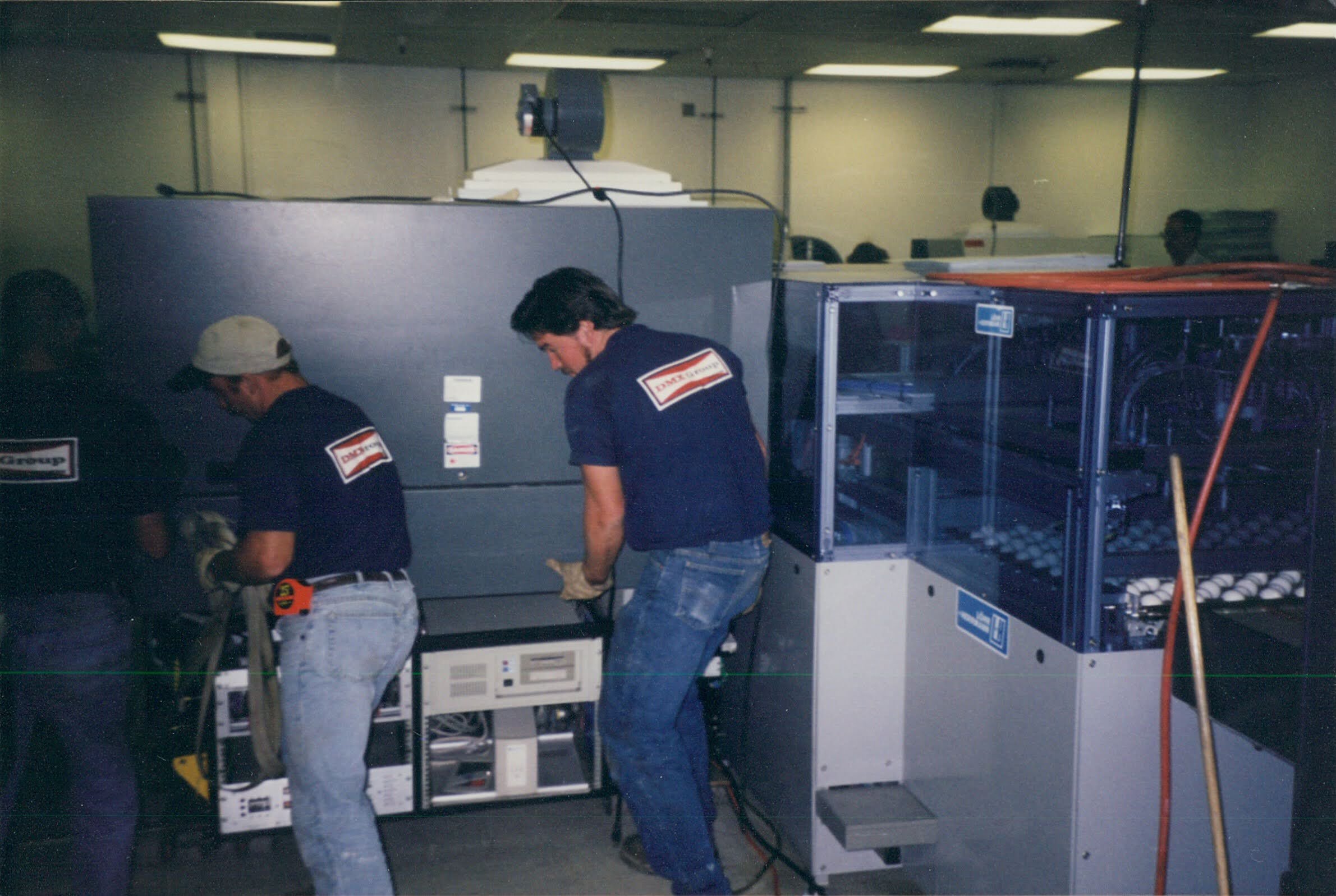
Back Safety for Warehouse Teams: Protect Your Spine & Prevent Injures on Every Shift
Warehouse work puts your back under constant stress. Whether you’re lifting pallets, working from an aerial lift, or supervising a loading dock, a single bad movement or an unsafe habit repeated over weeks can lead to a serious injury. Knowing the risks and building safe habits is the best way to protect yourself and your crew.
Why Back Injuries Happen on the Job
Most warehouse back injuries come from a few common sources: lifting heavy or awkward loads, reaching overhead, twisting while carrying, and working in cramped or poorly arranged spaces. Long periods of standing, poor posture while working at height, or repeating the same motion all day also add up. Many injuries aren’t caused by one dramatic event. They build slowly from small, repeated stresses.
Back injuries cost more than pain. They mean lost shifts, reduced mobility, medical treatment, and lower productivity for the whole team.
Know the Types of Injury
Muscle strains happen when muscle fibers are overstretched or torn. Ligament sprains happen when the tissue connecting bones is stretched or damaged. Herniated discs are the most serious. Disc material presses against nearby nerves and can cause pain, numbness, tingling, or weakness.
Pain that comes on gradually, or that lingers and keeps coming back, is a warning sign. Report discomfort early. A minor ache that is ignored, or an unsafe movement that keeps being repeated, can turn into a long-term injury.
Safe Lifting Habits for the Warehouse
Assess the load first. Check the weight and shape. Use a cart, dolly, or mechanical aid when the load is heavy or awkward. Keep the load close to your body. Holding loads away from your body multiplies the strain on your lower back. Bend your knees, not your waist. Keep your back straight and lift with your legs. Pivot with your feet. Never twist. Turn your whole body instead of rotating at the spine while carrying. Avoid lifting from the floor or below knee level when possible. Use lift tables or position loads at waist height. Don’t overreach. Store frequently used items between knee and shoulder height, and avoid repeated overhead reaches for heavy items. Ask for help or use equipment for long carries and heavy loads.
Aerial Lift Operators
Aerial lift operators spend long stretches standing in a platform, often reaching overhead or leaning out to reach work. Set the platform height and position so tools and materials sit within easy reach, and avoid stretching beyond the guardrails to save a repositioning step. Keep your weight centered, bend your knees when reaching low, and use the platform’s controls rather than improvised positions. Take breaks to move around when the shift allows, and never try to compensate for a poor setup with awkward posture. Get aerial lift certified today at CertifyMeOnline.net!
Supervisors: Build a Safer Floor
Managers play a key role in preventing back injuries. Consider these steps:
Train workers on safe lifting and body mechanics, and refresh that training regularly. Review workstations for badly placed storage, clutter, and setups that force awkward movements, including aerial lift work zones. Provide mechanical aids such as carts, dollies, pallet jacks, and lift tables, and make sure they are maintained and easy to reach. Create a no-blame reporting culture so workers feel safe reporting pain early. Plan a gradual return to full duties after any back injury, instead of rushing workers back to heavy lifting.
Keep in mind that back belts and supports are not a substitute for safe technique. They can help some people, but they do not protect a worker who lifts badly.
Recovery Tips
If a back injury happens, stop the activity that caused it and take time to rest properly. Complete inactivity is rarely the answer, so move carefully and return to work gradually. Ice can help early swelling, while heat may ease stiffness later. Sleep on your side or back with a supportive mattress and pillows that keep your spine neutral. Seek medical guidance for pain that persists or recurs, and don’t rush back to heavy lifting.
Get Aerial Lift Certified
Operating an aerial lift safely requires proper training. Get certified at CertifyMeOnline.net. Our online aerial lift certification courses are OSHA compliant, and you can complete them from anywhere with an internet connection, usually in under an hour. Protect yourself and your team by getting trained before you step onto the platform.