Electrical Safety at Work: Hazard Recognition and Safe Practices
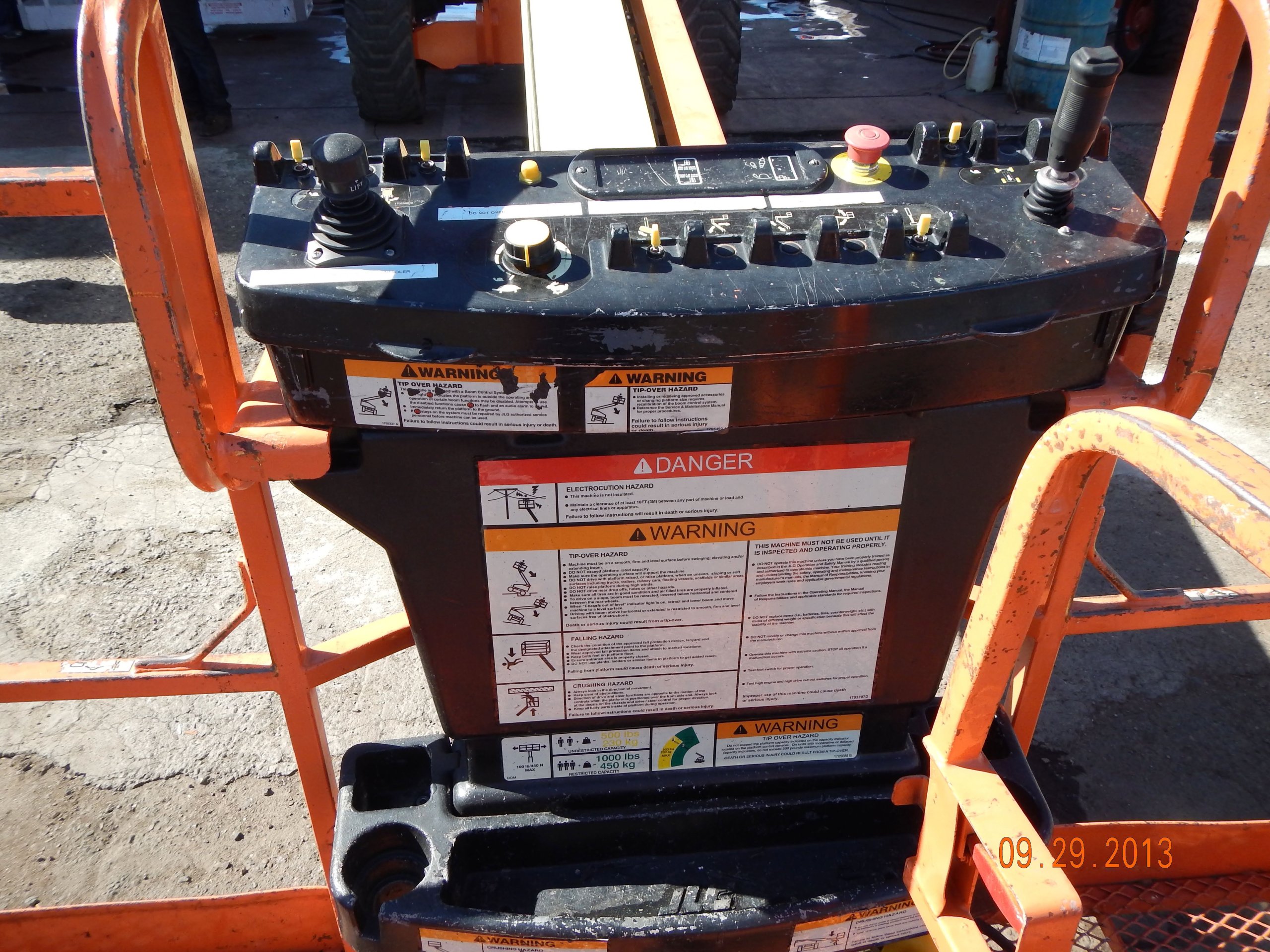
Electricity is part of nearly every warehouse and job site, and it is easy to stop noticing it. Overhead power lines, charging stations, extension cords, and the panels behind your racking all carry real energy. Mistakes with it cause electric shock, burns, fires, equipment damage, and fatalities. This guide covers how electrical hazards develop and the habits that prevent them, with a focus on the situations warehouse managers and aerial lift operators face most often.
Why Familiarity Is a Risk
Workers who handle electrical equipment every day can become complacent. Most electrical hazards stay hidden until something fails, which is why training to recognize them before an incident matters. Electrical safety is an ongoing responsibility, not something you only think about during repairs. In the United States, OSHA's electrical standards cover installation, maintenance, and work practices. General industry requirements are in 29 CFR 1910 Subpart S, and construction requirements are in 29 CFR 1926 Subpart K. Avoid an audit. Get certified with CertifyMeOnline.net
Electrical Basics
Three measurements describe electricity:
- Current is the flow of electricity, measured in amperes (amps).
- Voltage is the force that pushes current through a circuit.
- Watts are the power produced by voltage and current combined.
Electricity flows only through a complete circuit. Any time you become part of that circuit, current can pass through your body on its way to ground. A damaged cord touched with wet hands, or an energized part contacted through a tool or a boom, can do exactly that.
Overloads and Tripped Breakers
Every outlet, cord, fuse, and breaker is rated for a specific load. Exceed that rating and the wiring heats up, which can start a fire. Breakers and fuses are designed to interrupt current when it gets too high.
A tripped breaker is a warning, not an inconvenience. It means the circuit is overloaded or a fault exists. Resetting it repeatedly and hoping it holds is the wrong response. Reduce the load, report the problem to a supervisor, and have a qualified person find the cause. Never replace a breaker or fuse with one of a higher rating than the wiring can safely carry.
Hazards to Look For
Warehouse floor and charging areas
- Cracked, cut, or worn cords, especially under racks or near forklift traffic
- Power strips and extension cords used as permanent wiring
- Overloaded circuits at charging stations for pallet jacks, forklifts, and scanners
- Missing ground prongs or use of two-prong adapters
- Cords run through water, doorways, or aisles where they can be crushed or tripped over
- Blocked panels, disconnects, or fire extinguishers near electrical equipment
- Sparks, smoke, buzzing, heat, or burning smells from equipment or outlets
Aerial lifts and work at height
- Overhead power lines near the lift's travel path or work area
- Metal parts of the boom, basket, or tools contacting energized parts
- Operating the lift or its controls with wet hands, wet gloves, or in wet conditions
- Using metal ladders near energized wiring
- Working too close to electrical equipment, panels, or cable trays overhead
Maintenance and lockout
- Servicing equipment without locking out and tagging it first
- Removing someone else's lock or tag
- Unauthorized electrical repairs or modifications
- Ignoring arc flash warning labels on panels and equipment
Safe Work Practices
-
Inspect before every use. Check cords, plugs, outlets, tools, and lift controls. If something is damaged, stop and report it. Do not keep using it.
-
Keep water and electricity apart. Use GFCI protection where it is required, especially in wet, damp, outdoor, or temporary power situations. Choose cords rated for the load and environment, and never overload a circuit because it is convenient.
-
Never defeat safety features. Do not remove ground prongs, bypass interlocks, or block guards. Keep cords out of walkways and away from anything that could damage them.
-
Keep access clear. Panels and disconnect switches must stay accessible. Use nonconductive ladders, never metal ones, near electrical sources. Keep conductive materials away from energized parts.
-
Protect your work area. Remove rings, watches, and other metal objects before working near electrical hazards. De-energize and lock out equipment before servicing whenever required, and follow lockout/tagout procedures.
-
Use insulated tools and PPE when required. Respect arc flash labels and get qualified help before doing work the labels say requires it.
-
Know your emergency response. Know how to shut power down in an emergency, which fire extinguisher to use on electrical fires, and how to report incidents.
Aerial Lift Specifics
Before any aerial lift work, survey the site for overhead lines and identify their voltage if you can. OSHA requires that equipment maintain at least 10 feet of clearance from power lines rated up to 50 kV, with greater distances required for higher voltages. Assume every line is energized until the utility confirms otherwise. Use a spotter when clearances are tight, and make sure everyone in the basket knows the emergency lowering procedure.
If the lift contacts a energized line, stay in the basket unless you are on fire or in immediate danger. Warn coworkers to stay away from the equipment, and call the utility. Jumping off the lift can cause you to become part of the circuit as you touch the ground. CertifyMeOnline.net offers FREE 3 year renewals with your training. Check our options on our website!
Make Electrical Safety Part of Your Routine
Electrical safety depends on consistent habits. Build pre-use inspections into your shift, train new workers to recognize hazards on day one, and make reporting damaged equipment normal and expected. These practices protect people and property from serious injury.
Want your crew trained and certified? CertifyMeOnline.net offers a lot of options for courses. You can watch our courses from anywhere in the world! They are 100% online and we offer FREE 3 year renewals. No tricks. Get certified today!