Emergency Planning: Know Your Exit, Know Your Role
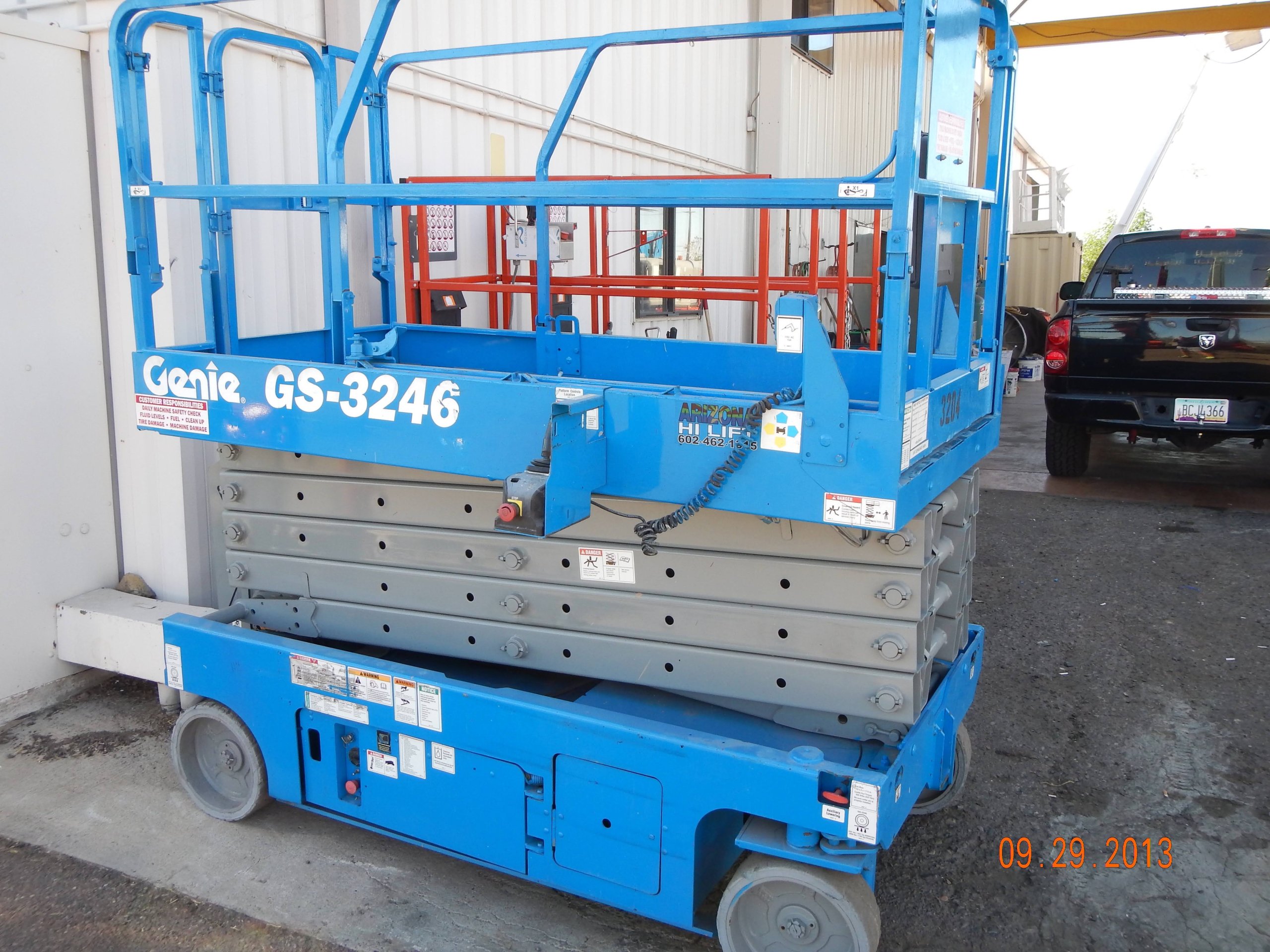
A fire in a racking aisle, a gas leak near the dock, or a power cut while someone is 10 meters up in a boom lift can turn into a serious injury in minutes. Emergencies come without warning, so the people on the floor and in the platform need to know what to do before the alarm sounds.
Why Emergency Planning Matters on Your Site
Warehouse and lift operations create their own emergencies. Pallets stacked high, forklift traffic, propane and battery charging, and elevated work all add risk. An emergency can damage equipment, product, records, and nearby property, and it can injure people quickly. A good plan helps your team respond calmly and in order. It also stops the “domino effect,” where one problem, such as a blocked aisle, spreads to a fire, a stalled evacuation, or a lift left at height.
OSHA 1910.38 requires Emergency Action Plans to cover reporting fires and other emergencies, evacuation procedures, employee accounting after evacuation, and duties for employees who perform rescue, medical, or critical operations. Our courses are 100% OSHA compliant. Visit CertifyMeOnline.net for more information.
What Your Plan Must Cover
Your plan must be specific to your site, so it should be written by the people who know the building, the racking, and the lift fleet. Your team, safety group, or emergency planning group should cover at least these points:
- The emergencies that can realistically happen at your facility (fire in storage, chemical or gas release, racking collapse, severe weather, medical emergencies, security threats).
- How to report fires and other emergencies, and who makes the call.
- Alarm types and what each one means.
- Primary and alternate evacuation routes, with assembly areas.
- Shelter-in-place or severe weather instructions, if they apply.
- Shutdown procedures for equipment and processes, and who stays behind to do them.
- Aerial lift procedures for emergencies, including ground-control lowering and rescue (see below).
- How you account for everyone after evacuation, including visitors, drivers, and contractors.
- Rescue and medical duty assignments.
- Names or job titles of people to contact about the plan, and outside emergency contacts.
- Emergency equipment locations: extinguishers, eyewash stations, spill kits, alarms.
- Responsibilities by department, and how the plan is reviewed and updated.
Warehouse Managers: Your Responsibilities
- Share the plan and walk people through it when the plan first rolls out, when someone starts a new job, when their emergency duties change, and whenever the plan is updated.
- Keep routes clear. Pallets, stored product, and staged equipment must not block exits, aisles to exits, or access to extinguishers and alarms. Check this during routine walks, not only before audits.
- Update maps and signage after racking changes, layout changes, or new storage areas.
- Include everyone in the headcount. Visitors, drivers, and contractors must be on the list, or your accounting will be wrong when it matters.
- Test and maintain alarms on a set schedule, and keep emergency contact lists current.
- Train the people you assign to rescue, medical, or shutdown duties before they are needed.
- Report facility changes to whoever owns the emergency plan.
- Run drills and treat them seriously. Note what went wrong and fix it.
Aerial Lift Operators: Before and During an Emergency
Before you climb:
- Know where the ground controls are, how to lower the platform from the ground, and who on your crew can do it.
- Know the rescue plan for your site: who responds, with what equipment, and how fast. Do not assume someone will reach you quickly.
- Follow the manufacturer’s manual and your employer’s fall protection requirements, and keep your harness on while you are in the platform.
- Check that the work area and travel path are clear of obstacles, traffic, and loose material.
When an alarm sounds while you are in a lift:
- Stop work at a safe point. Do not start a new movement or try to reach a distant task.
- If your plan says to bring the platform to the ground, do so using the controls the plan specifies, and only if it is safe to do so.
- If the plan says to stay in the platform until help arrives, stay put, keep your harness connected, and signal your position.
- Do not climb on the rails, jump from the platform, or ride a lift out of an emergency unless your plan specifically allows it.
- Once you are on the ground, follow the evacuation route and go directly to your assembly area.
When you are on the ground and a lift operator is at height:
- Make sure the operator knows the alarm has sounded, and use your plan’s signals to communicate.
- Do not operate the lift or its controls unless you are trained and assigned to do so.
Evacuating Safely
Four things make an evacuation work: clear exit routes, organized movement, working alternate exits, and knowing who is out of the building. OSHA 1910.38 requires employers to set evacuation procedures, assign clear exit routes, and have a way to account for everyone afterward. Knowing who got out safely is often what separates a controlled emergency from a crisis.
When the alarm goes off, every worker should:
- Stop what they are doing and secure equipment only if it takes seconds.
- Leave by the assigned route, or the alternate route if the first one is blocked or unsafe.
- Use stairs, not elevators, unless you have special permission.
- Go directly to the assembly area and stay with your group.
- Report blocked exits, smoke, fire, chemical odors, injuries, or missing people.
- Stay at the assembly area until an authorized person releases you.
- Never re-enter the building without authorization, no matter what was left behind.
Forklift operators should park the truck in a safe place, lower the forks, and set the brake if they can do it in seconds. They should not drive out at speed with others on foot nearby.
Common Hazards and Failures on Site
- Workers do not know what the alarms mean.
- Evacuation maps are outdated after a layout change.
- Exit routes or aisles are blocked by pallets, carts, or staged product.
- Assembly areas are unclear or too close to the building.
- Headcounts leave out visitors, drivers, or contractors.
- Emergency contact lists are out of date.
- People are assigned emergency duties but have not been trained.
- Shutdown procedures for lifts and equipment are unclear.
- Alarms are not tested or maintained.
- Drills are ignored or treated casually.
- Facility changes are not reported to the planning team.
- Access roads for emergency vehicles are blocked.
- Staff give unofficial statements or spread rumors.
- Hazardous materials, such as batteries, propane, or chemicals, are not considered in the plan.
- Emergency equipment is missing, damaged, blocked, or expired.
Practices That Keep People Safe
Employees and supervisors should all apply these:
- Learn the emergency plan before an emergency happens.
- Know what each alarm and warning signal means.
- Keep exits, aisles, stairways, extinguishers, alarms, and eyewash stations clear.
- Report damaged or missing emergency equipment right away.
- Know your primary and alternate evacuation routes.
- Go directly to your assembly area during an evacuation.
- Stay at the assembly area until you are released.
- Report missing people, injuries, blocked exits, smoke, spills, or unusual conditions.
- Perform only the emergency duties you have been trained and assigned to do.
- Take part fully in drills and exercises.
- Report facility or equipment changes that could affect emergency response.
- Avoid speculation during emergencies, and refer media questions to authorized people.
- Keep access for emergency vehicles clear.
- Ask “what if?” during normal work to spot problems before they become emergencies.
Train Your Team Before You Need It
If you want to reduce the hazards on your site, make sure your aerial lift operators are certified. CertifyMeOniline.net offers aerial lift operations training that you can complete online from a laptop, phone, or tablet. Visit our website to see the course options and schedule. With your certifiction you will get your FREE 3 year renewal! Stop wasting your time and money.