The Importance of Protecting Yourself on the Job: Personal Protective Equipment
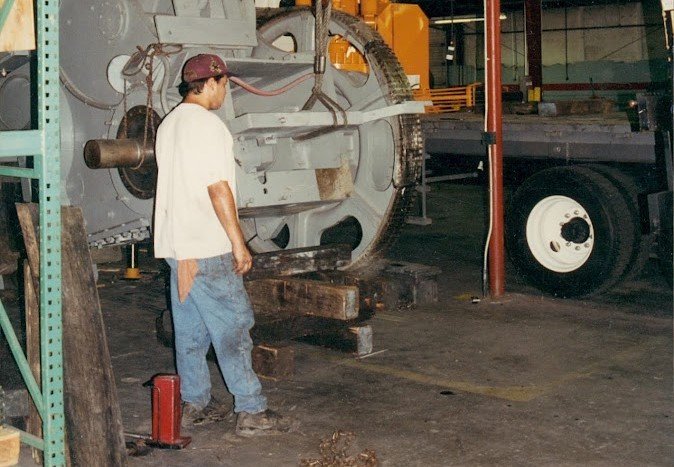
Personal Protective Equipment (PPE) is often the last thing on your mind during a shift, but it may be the only barrier between you and a serious injury. In a warehouse or on an aerial lift, hazards can cut, burn, crush, puncture, blind, or expose you to harmful substances. This guide covers what PPE is, what it isn’t, and how to select, inspect, and maintain it.
What PPE Is and What It Isn’t
PPE is equipment worn as a barrier between you and the hazards in your work. It is the last line of defense. Engineering controls, such as guarding machinery, and administrative controls, such as safe work procedures, should come first. PPE protects you when those measures can’t remove the hazard completely.
Some hazards are obvious: falling objects, sharp tools, moving machinery, sparks, and chemical splashes. Others are harder to detect: airborne particles, toxic vapors, intense light, electrical current, and radiation. Their effects can be just as serious.
PPE also has limits. Each type protects against specific hazards, not all of them. Wearing the wrong equipment can give a false sense of safety.
For Managers: Your Responsibilities
Under OSHA 29 CFR 1910.132, which covers general industry including most warehouses, employers must:
- Assess the workplace to identify hazards and determine whether PPE is needed and what type.
- Select PPE that matches the hazards and conditions.
- Train workers to recognize when PPE is required, how to put it on, wear it, adjust it, take it off, and know its limits.
- Maintain PPE so it stays clean, sanitary, and in good condition.
- Retrain whenever workplace conditions change or workers show they don’t understand the requirements.
Aerial lift work falls under construction standards (29 CFR 1926), which include specific fall protection requirements for lift operators. If your warehouse operates or contracts lifts, make sure your program covers both sets of rules. Get your employees certified with CertifyMeOnline.net
Types of PPE and Their Uses
Eye and Face Protection
Eyes are highly vulnerable. Flying particles, sparks, chemical splashes, dust, and intense light can cause permanent damage.
- Safety glasses with shatter-resistant lenses and side shields suit lighter hazards like flying debris.
- Goggles seal closer around the eyes and are the better choice for chemical exposure.
- Welding and bright-light work requires filter shades matched to the intensity and type of light. An incorrect shade can cause serious injury.
- Prescription wearers need eyewear designed to incorporate their prescription or fit over it. Contact lens policies should follow company guidance, since some chemical environments make lenses unsafe.
Respiratory Protection
Dusts, mists, fumes, gases, and vapors enter through the lungs and can cause severe illness. Respirators are for situations where ventilation, substitution, or enclosure can’t fully control the hazard. Fit matters. A poor seal lets contaminants in. Facial hair, wrong sizing, damage, or improper adjustment all reduce protection. Fit testing confirms the seal works. Match the respirator to the hazard:
- Disposable filtering facepieces handle certain particulate hazards.
- Air-purifying respirators use filters or cartridges. Cartridges must match the specific contaminant, because the wrong cartridge offers no protection.
- Air-supplying respirators (SCBAs and SARs) provide clean air from an external source for oxygen-deficient or highly toxic atmospheres.
Head Protection
Head injuries happen when objects fall, tools drop, materials shift, or workers strike fixed objects. Electrical hazards are also a possibility. Hard hats reduce impact and penetration injuries. Inspect them regularly for cracks, dents, damaged suspension systems, and chemical or heat damage. Bump caps protect against minor bumps in low-clearance areas. They do not replace a hard hat where falling objects are a risk.
Foot Protection
Feet are constantly exposed to falling, rolling, and sharp objects. Footwear must match the workplace. Ask your supervisor which footwear your job requires.
- Toe caps guard against impact and compression.
- Puncture-resistant soles block sharp objects.
- Slip-resistant soles provide grip on wet or greasy surfaces.
- Worn soles, exposed toe caps, damaged uppers, cracked insulation, or contamination all reduce protection. Inspect footwear regularly and replace it when needed.
Hand Protection
Hands face cuts, burns, abrasions, punctures, chemicals, heat, cold, vibration, and electrical hazards. Choose gloves based on the specific hazard:
- Cloth gloves guard against minor abrasions and dirt.
- Leather or aluminized gloves protect against sparks, metal flakes, and moderate heat.
- Metal mesh gloves handle sharp-edged materials.
- Chemical-resistant gloves must match the specific chemical.
- Disposable gloves protect against biological or contamination hazards.
Fit affects safety. Loose gloves can catch in machinery. Tight gloves restrict circulation and dexterity. Around rotating machinery, gloves themselves can create a caught-in hazard, so follow job-specific procedures and supervisor instructions.
Fall Protection and Aerial Lift Equipment
Aerial lift operators face fall hazards from the platform, and often electrical hazards from nearby power lines. Key PPE includes:
- Personal fall arrest systems: a full-body harness with a lanyard, connected only to the anchorage points the lift manufacturer specifies. Body belts are not acceptable for fall arrest.
- Hard hats for overhead hazards and falling objects.
- Insulating gloves and sleeves, rated for the voltage involved, when working near energized lines. Rated equipment must be tested and maintained to specification.
- Eye and face protection against falling debris and sparks.
- Harness and lanyard systems must be inspected before each use, and a fall arrest system that has been subjected to a fall must be removed from service.
Inspect Before Every Use
Inspect PPE before each use. Look for:
- Holes, tears, punctures, cuts, or embedded objects
- Ozone cracking, swelling, softening, hardening, or stickiness in rubber and synthetic materials
- Loss of elasticity or stretched components
- Damaged suspension, cracks, or dents in helmets
- Frayed webbing, damaged stitching, or corroded hardware on harnesses
If an item is defective, or you are not sure it still protects you, remove it from service immediately. Some items can be repaired, but they must be tested before returning to use.
Managers and Operators Need to Be Certified
PPE works only when it is selected for the hazard, fitted properly, inspected, maintained, and worn every time. Managers are responsible for the program. Operators are responsible for using what they are given correctly. Both are responsible for speaking up when equipment is damaged or conditions change. It is important that they are both properly trained in order to work safely. Get them certified today at CertifyMeOnline.net!