Walking & Working Surface Safety
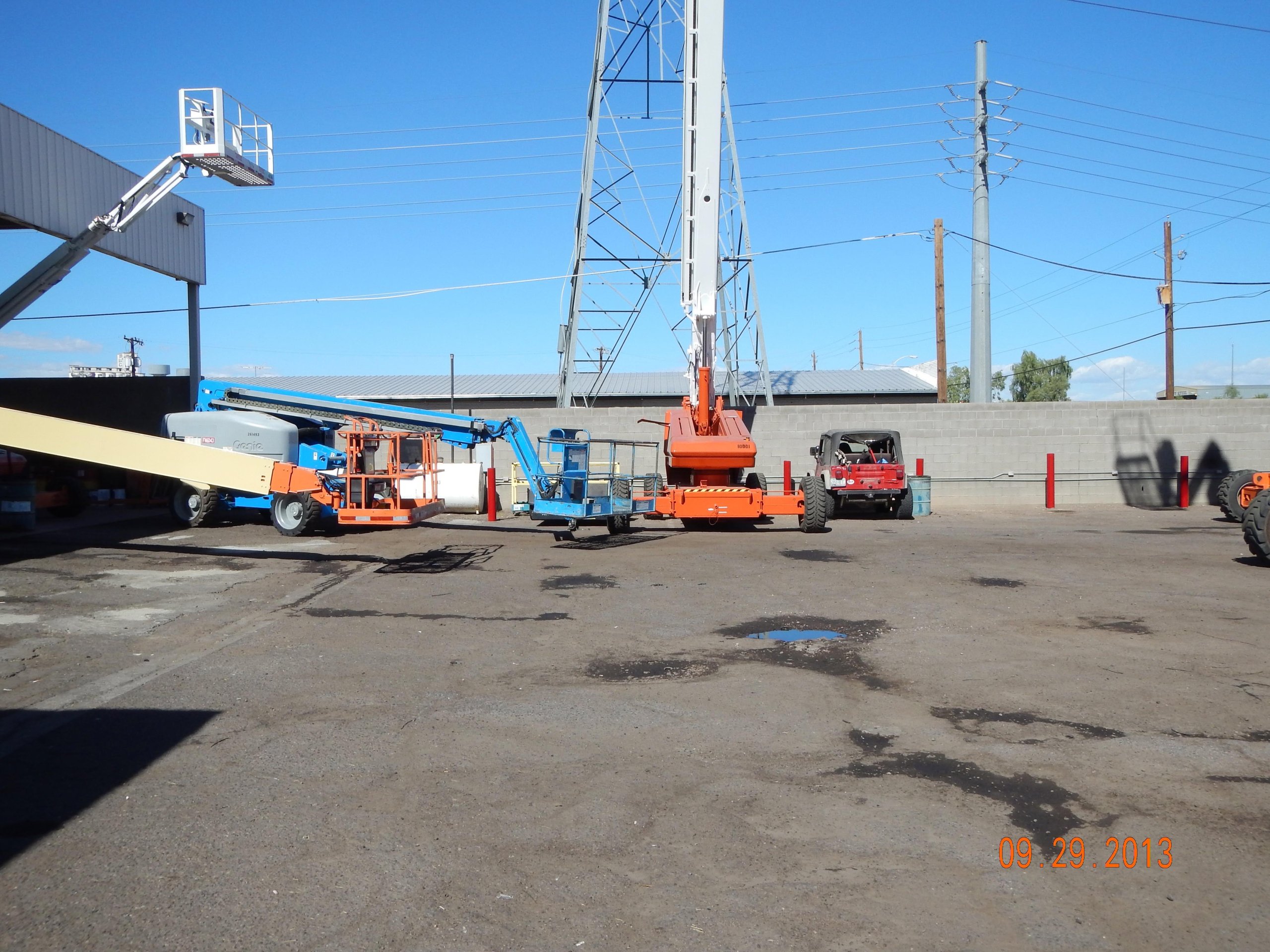
Every shift, your crew walks and works on floors, stairs, ladders, ramps, dockboards, platforms, and the platforms of aerial lifts. When one of those surfaces is wet, cluttered, damaged, or unguarded, someone can slip, trip, fall, or get hit by a falling tool. Most of these incidents don’t start with a dramatic failure. They start with a small spill nobody cleaned up, a loose board nobody reported, or a ladder someone decided was “fine.”
Hazards Under Your Feet
Familiar floors are easy to stop seeing. Managers and operators should both look for:
- Wet, oily, icy, or contaminated floors
- Loose boards, damaged grating, corrosion, or surfaces that have started to give
- Cords, hoses, tools, or debris in walkways
- Holes, openings, unprotected edges, and ladderway floor openings
- Cluttered storerooms, service rooms, aisles, and passageways
- Floors or platforms loaded beyond their rated capacity
When you find a hazard, report it and inspect it right away. If it can’t be fixed immediately, signal it or guard it, then call the right person to evaluate and repair it. Return the area to service only after the hazard is corrected and the surface is safe.
The 4-Foot Rule
In general industry, OSHA’s walking-working surfaces rules (29 CFR 1910 Subpart D) generally require fall protection when a worker is exposed to an unprotected edge four feet or more above a lower level. That includes floors, equipment, pits, and roofs. Guardrails, safety nets, personal fall arrest systems, and travel restraint systems can all provide protection. Holes, skylights, hoist areas, and ladderway openings may need their own specific protection.
For aerial lift operators: OSHA’s rule for vehicle-mounted aerial lifts (29 CFR 1910.67) requires that you stand firmly on the platform floor. Never sit or climb on the edge of the basket, and never use planks, ladders, or other devices to reach a higher work position. Follow the manufacturer’s manual for fall arrest equipment, and tie off only to the anchor points the manufacturer approves.
Falling Objects
Tools and materials can kill or injure people working below. Toeboards, screens, and barricades stop them from falling. Keep tools away from edges, use tool lanyards at height, and don’t leave materials on platform rails. Protection only works if it is installed correctly, maintained, and used as intended. Guardrails, handrails, stair rails, ladder safety systems, and toeboards must meet OSHA criteria. To stay OSHA compliant, get certified at CertifyMeOnline.net !
Who Does What
Safety depends on both managers and workers doing their part.
Managers should:
- Provide safe surfaces, proper equipment, required fall protection, and regular inspections
- Schedule maintenance and repairs, and keep unsafe areas out of service until they are fixed
- Make sure training covers the hazards on your site and is repeated when conditions or equipment change
Operators and floor workers should:
- Keep work areas orderly and use equipment the way it was designed
- Follow procedures, including barricades, covers, warning lines, and guardrails
- Report hazards immediately, because a supervisor can’t fix a hazard they don’t know about
Training Requirements
OSHA’s training requirement for walking-working surfaces (29 CFR 1910.30) covers fall hazard training, equipment hazard training, retraining, and training that workers can understand. Training should cover:
- Hazards in the work area and how to recognize them
- How to minimize those hazards
- How to inspect, use, maintain, and store required equipment
Retrain when conditions, equipment, or procedures change.
Common Hazards to Check Each Shift
- Wet or oily floors with no warning signs or cleanup
- Snow, ice, leaks, corrosion, loose boards, or protruding objects
- Cluttered aisles, passageways, storerooms, and service rooms
- Unprotected edges four feet or more above a lower level
- Uncovered or unsecured floor holes and skylights
- Missing, damaged, or noncompliant guardrails, handrails, stair rails, or toeboards
- Defective ladders that are not tagged or removed from service
- Ladders placed on unstable bases or slippery surfaces
- Dockboards that are not secured or are overloaded
- Transport vehicles moving while a dockboard is in use
- Gaps in training on fall hazards, equipment use, inspection, anchoring, tie-off, or storage
- No retraining after changes in conditions or equipment
Safe Work Practices
- Clean spills promptly and post warning signs when floors are wet.
- Keep aisles, stairs, exits, platforms, and work areas clear.
- Report damaged surfaces immediately, and don’t use them until they are corrected or guarded.
- Inspect ladders before each use and remove defective ones from service.
- Set ladders on stable, level ground unless they are secured.
- Face the ladder and keep at least one hand on it while climbing.
- Never stand on the top cap or top step of a stepladder.
- Don’t carry loads that could make you lose your balance on a ladder.
- Secure dockboards and prevent vehicle movement before any dockboard is used.
- Before driving an aerial lift, check the ground for holes, slopes, debris, and overhead hazards.
Get Certified
If you or your team needs fall protection, forklift, or aerial lift training, CertifyMeOnline.Net offers online courses that can be completed on a smartphone, tablet, or laptop. We offer FREE 3 year renewals with our certificcations. Learn more at CertifyMeOnline.Net.