OSHA Fall Protection: Requirements, Training, and Keeping Employees Safe
Working at Heights Means Protecting Workers from Falls
When people work above the ground, they need strong fall protection. This guide explains common fall hazards, what OSHA requires, which safety gear works best, how to train workers, and what can go wrong if safety is ignored.
What Are the Most Common Fall Hazards in the Workplace?
Fall hazards are common, especially where people work at height. The most dangerous spots are:
- Unprotected edges (like rooftops or mezzanines)
- Open holes in the floor
- Ladders, scaffolds, and lifts
But not all falls happen high up. Many injuries come from simple slips, trips, and falls on the ground.
Preventing Slips, Trips, and Falls (STFs)
Slips, trips, and falls can happen in any workplace. These incidents are often caused by:
- Wet or cluttered floors
- Uneven walking surfaces
- Poor lighting
- Rushing or not paying attention
STFs are one of the top causes of workplace injuries. They can seriously hurt workers and keep them off the job. Research from NIOSH has helped create good safety practices to stop these kinds of accidents.
Which Elevated Work Surfaces Pose the Highest Risks?
Ladders, scaffolds, and aerial lifts are a big cause of fall injuries.
- Ladders: A lot of falls happen on ladders—especially when they’re the wrong type or used incorrectly.
- Scaffolds: Unsafe scaffolds can collapse or let workers fall if they’re not set up right.
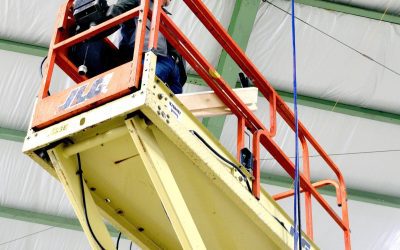
- Aerial lifts: These need trained operators and safety features like guardrails and harnesses.
How Do Unprotected Edges and Floor Openings Increase Fall Hazards?
Unprotected edges and open holes are serious fall risks. If there’s no guardrail, cover, or barrier, someone could fall without warning.
To stay safe:
- Use guardrails
- Cover all holes
- Block off dangerous areas
These simple steps prevent most falls.
What Are the Key OSHA Fall Protection Requirements for Employees?
OSHA has clear rules to keep workers safe from falls. These rules help employers know when and how to protect workers who are working at height.
OSHA 1926.501 – Fall Protection in Construction
OSHA Standard 1926.501 covers fall protection on construction sites. It says:
- Workers must be protected from falls if they are 6 feet or more above the ground.
- Employers must use:
- Guardrails
- Safety nets
- Or Personal Fall Arrest Systems (PFAS)
The right type of protection depends on the job and location. Not knowing the rules can leave workers at risk.
Fall Protection Myths: Is 6 Feet Always the Rule?
Many people think “6 feet from the edge” is always safe. That’s not true in every case.
- Some tasks need protection at any height, like working over dangerous equipment or materials.
- The type of work matters just as much as the height.
It’s important to know the full OSHA rules, not just the 6-foot guideline.
OSHA Fall Protection Training Requirements
OSHA says all workers who use fall protection must get training. This training must teach them:
- How to spot fall hazards
- How to use safety gear the right way
- How to report unsafe situations
Refresher training is required when:
- The job site or equipment changes
- A worker forgets or misuses the gear
- There’s a new hazard
Why Training Matters
A written fall protection plan is not enough. Training is key. Without it, even the best gear won’t keep workers safe.
Many training programs are available. For example, CertifyMeOnline offers a Fall Protection Certification Video Course that meets OSHA standards for just $49.00.
What Types of Fall Protection Equipment Are Essential for Employee Safety?
When workers are at height, employers must provide the right safety gear. Knowing the types of fall protection systems helps you pick the best one for each job.
What Is a Personal Fall Arrest System (PFAS)?
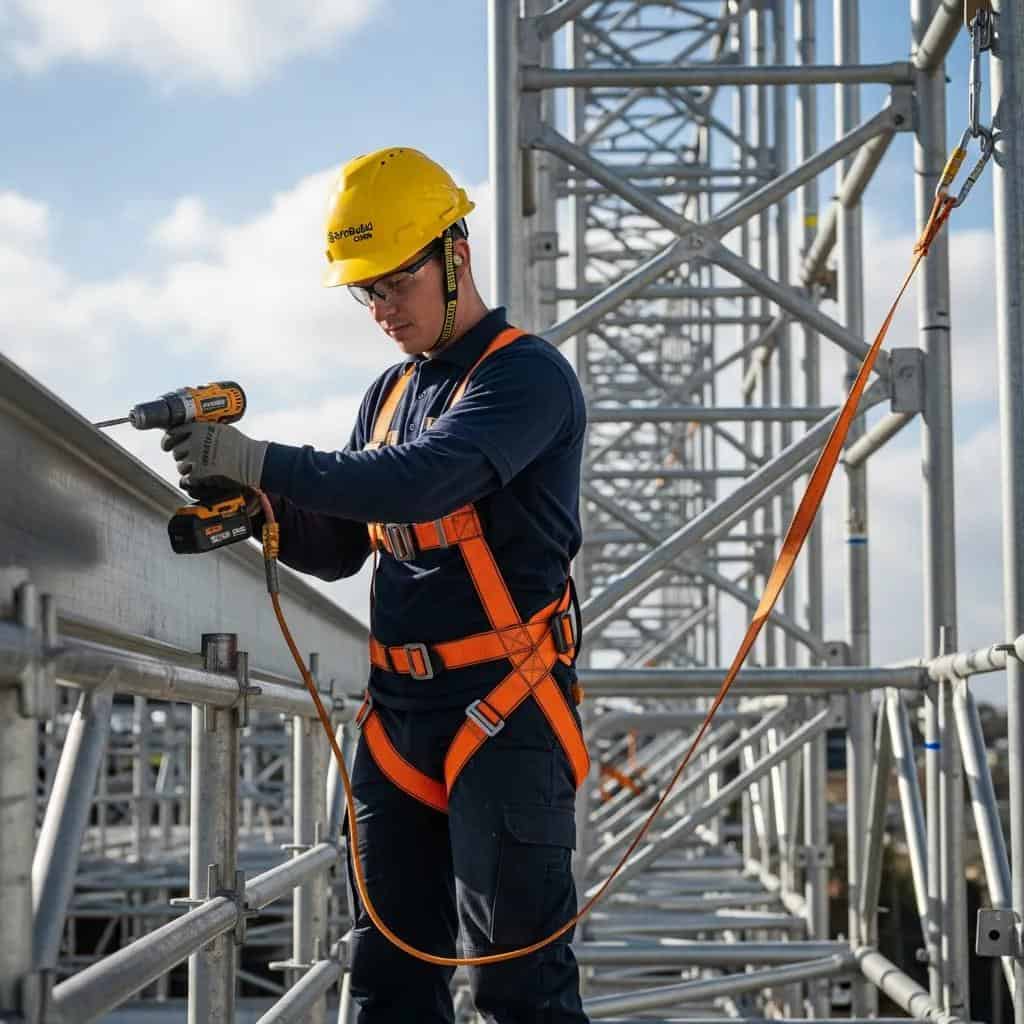
A Personal Fall Arrest System (PFAS) is made to stop a fall and protect the worker from injury. It has three main parts:
- A full-body harness
- A lanyard or lifeline
- A secure anchor point
These systems must be:
- Fitted correctly
- Inspected often
- Anchored safely
If one part fails, the whole system could fail—so checking your gear is critical.
What’s the Difference Between Fall Restraint and Passive Systems?
There are two other main types of fall protection systems besides PFAS:
1. Fall Restraint Systems
- Stop workers from getting too close to an edge
- Best for work on roofs or platforms
- Keep the fall from happening in the first place
2. Passive Systems
- Include things like guardrails and safety nets
- These don’t need the worker to wear special gear
- They block or catch workers automatically
Choosing the right system depends on:
- The type of work
- The height
- The layout of the job site
Fall Protection Equipment Summary
| Equipment Type | Description | Use Case |
|---|---|---|
| Personal Fall Arrest System | Harness, lanyard, anchor point | For workers at height |
| Fall Restraint System | Stops access to fall edges | For elevated work surfaces |
| Passive System | Guardrails and safety nets | General fall protection |
How Can Employers Provide Effective Fall Protection Training for Employees?
Training helps workers understand fall hazards and use safety gear the right way. To work, the training must be:
- Easy to understand
- Hands-on when possible
- Updated when jobs or equipment change
Good training prevents injuries and keeps companies OSHA-compliant.
What Are the Benefits of Online Fall Protection Courses?
Online fall protection courses are a simple and low-cost way to train employees. They offer:
- Flexible learning—workers train at their own speed
- Easy access—no need for travel or group scheduling
- Focused content—courses often match specific job roles
One example is CertifyMeOnline’s video course. It gives clear, step-by-step training for both individuals and teams.
What Do Competent and Qualified Persons Do?
Competent persons and qualified persons play key roles in safety and training:
- Competent persons can spot hazards and have the authority to fix them
- Qualified persons have extra training or degrees and know how to design and set up fall protection systems
These experts also lead on-site training, check equipment, and make sure the gear is used the right way.
Having the right people in charge means safer worksites and better training.
What Are the Consequences of Non-Compliance with OSHA Fall Protection Standards?
Not following OSHA’s fall protection rules can lead to serious problems. It puts workers in danger—and the company at risk for fines, legal issues, and project delays.
How Do OSHA Fines Impact Businesses?
If a company breaks OSHA’s fall protection rules, it can be fined tens of thousands of dollars per violation. For serious or repeated problems, fines can go even higher.
Fines hurt your bottom line and damage your company’s reputation. To avoid this, employers should:
- Run regular safety checks
- Keep fall protection plans up to date
- Train workers often
What Are the True Costs of Workplace Falls?
Fines aren’t the only cost. A workplace fall can also mean:
- Medical bills
- Lost work time
- Workers’ compensation claims
- Lawsuits
These costs add up fast and can slow down your whole business.
The good news? Strong fall protection programs and proper training help prevent falls—and protect both people and profits.
How to Implement a Strong Fall Protection Program
A good fall protection program is more than just gear—it’s a full system. It should include:
- Hazard checks
- The right equipment
- Clear safety steps
- Ongoing training
When all of these parts work together, employees stay safer—and your company stays compliant with OSHA rules.
Best Practices for Site Checks and Equipment Inspections
To prevent accidents:
- Check job sites regularly for new fall hazards
- Inspect all gear on a set schedule
- Follow the manufacturer’s instructions for each tool or harness
- Keep written records of all checks
- Fix problems fast
Good records also help prove your business is following the rules if OSHA shows up.
Emergency and Rescue Planning
If a fall happens, everyone needs to know what to do. Your rescue plan should:
- Clearly state who does what
- Include steps for calling for help
- Describe how to safely rescue someone
Train your team on this plan—and run drills often. Being ready can save lives and reduce injuries.
Put it all together: hazard checks, the right gear, good training, and a rescue plan. That’s how you build a safe, smart fall protection program.
Frequently Asked Questions
What are the key parts of a fall protection program?
A strong fall protection program includes:
- Finding fall hazards
- Checking the risks
- Training workers
- Using the right safety gear
- Doing regular safety checks
- Keeping records
- Updating the plan when work changes
How often should workers get fall protection training?
OSHA recommends:
- Refresher training once a year
- Extra training if:
- Job sites or equipment change
- A worker isn’t using gear the right way
What should a site hazard assessment include?
A good hazard check should:
- Look at high work areas, open edges, and holes
- Check tools and tasks
- Spot dangers and list them
- Assign fixes and follow up to make sure they’re done
What does a competent person do?
A competent person:
- Finds and fixes fall hazards
- Makes sure gear is used and set up correctly
- Has the power to stop unsafe work
- Helps train workers on how to stay safe
How can employers follow OSHA fall protection rules?
To stay compliant:
- Create a written fall protection plan
- Train your workers
- Inspect worksites and gear regularly
- Keep records
- Talk about safety with your team often
- Stay up to date with OSHA changes
How should workers report unsafe conditions?
Set up easy ways for workers to speak up, like:
- Anonymous hotlines
- Talking to supervisors
- Safety meetings
- Suggestion boxes
Make sure workers won’t be punished for reporting—and fix issues quickly.
What role does PPE play in fall protection?
PPE (Personal Protective Equipment) includes:
- Harnesses
- Lanyards
- Helmets
PPE is important, but it works best with other protections like guardrails and safety nets. Train workers on how to wear and check their gear, and always make sure it fits right.
Conclusion
Fall protection saves lives—and protects your business. When you:
- Spot common hazards
- Follow OSHA rules
- Use the right safety gear
- Train your team the right way
You lower risk and keep your crew working safely.
Ready to improve your fall protection program? Check out our training and certification options to get started.